Simon Sung, Pacific Lutheran University’s Executive Creative Director, has been at PLU long enough that he’s stopped counting the years. When colleagues announce their tenure at meetings, he just says, “Longer than that person.”
But ask him why he’s stayed as long as he has, and the answer comes fast: “They never make me comfortable.”
For most people, discomfort is not a selling point. For Sung, it’s the whole reason he’s still there — because in his experience, comfort is where creative work goes to die.
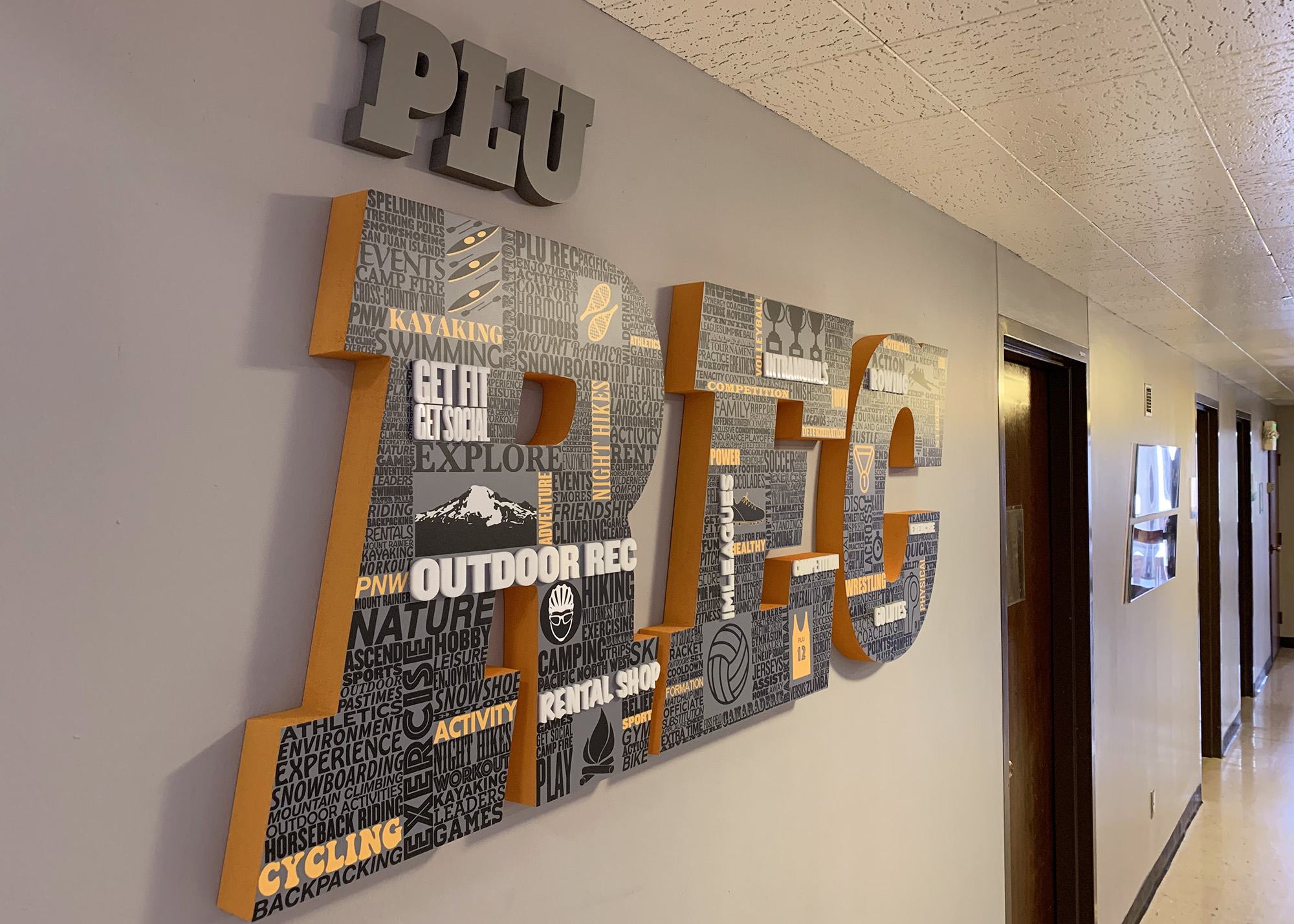
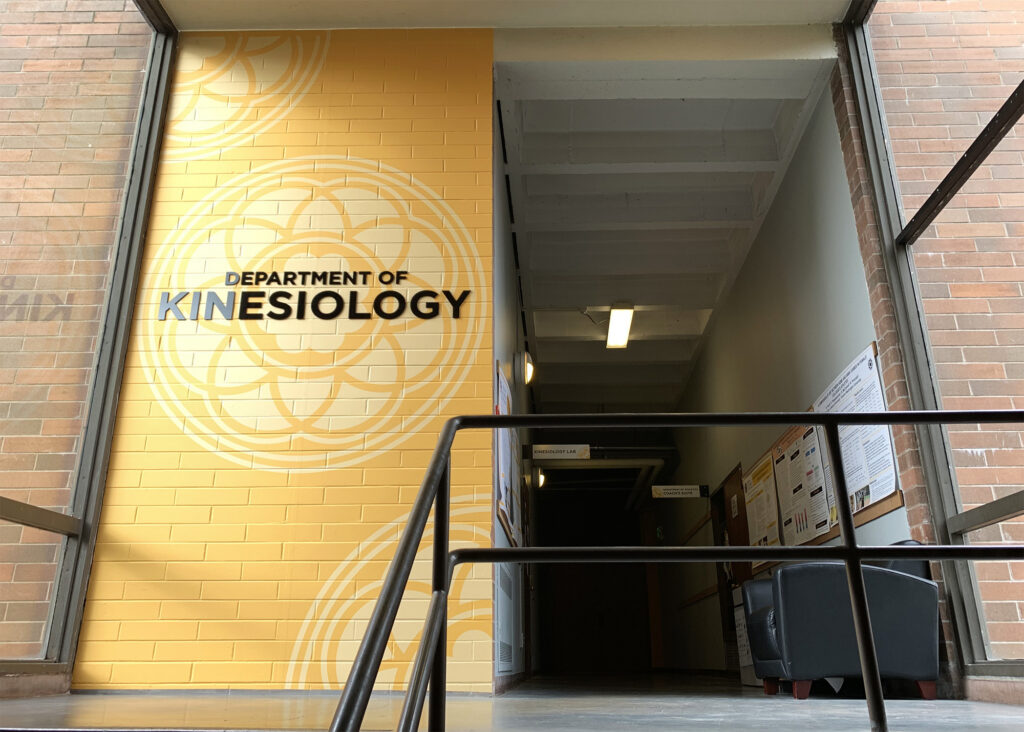
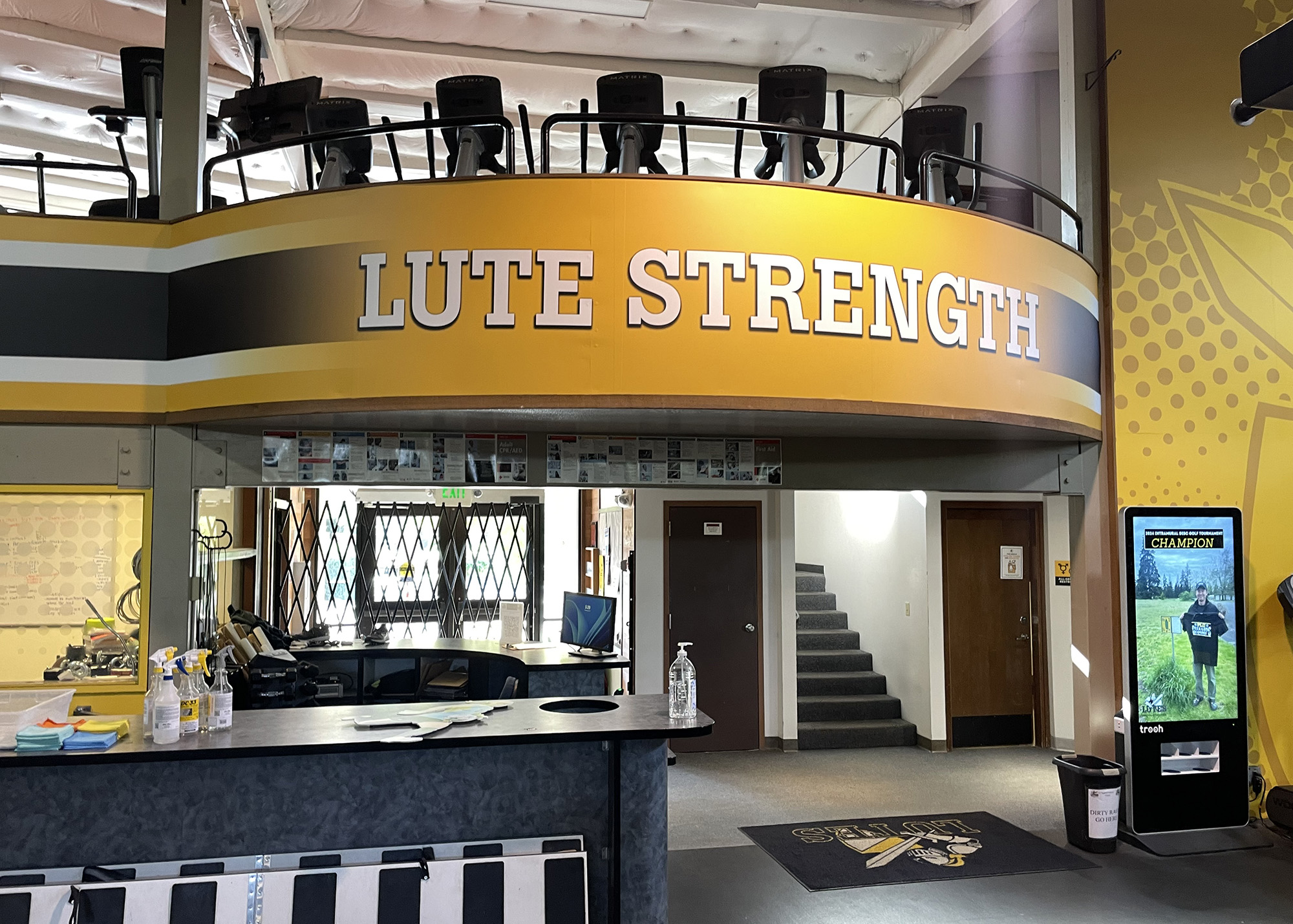
As the creative lead behind PLU’s campus wayfinding, athletic branding, interior spaces, admissions environments, and everything in between, Sung operates in the same world every EGD professional knows: evolving institutions, stakeholders with competing visions, budgets that only stretch so far, and briefs that don’t come with easy answers.
But his approach to that world is different than most. Where a lot of EGD teams default to execution — take the brief, defend the brand standards, deliver the work — Sung starts from a completely different place: curiosity, experimentation, and a willingness to play before the work even begins.
It’s an approach that challenges some of the most deeply held instincts in this field. And it’s worth examining why it works.
Sung’s path to creative direction didn’t have a traditional starting line.
He was a computer science student at the University of Washington when he realized the field was missing something he needed: human connection. So he started searching. Pre-law. Pre-economics. If there was a “pre” attached to it, he tried it. Nothing stuck.
Then one day, still floating between majors, he came across an article. The headline: In San Francisco, The Graphic Designer is King.
He’d never heard of graphic design. But the headline stuck with him, so he kept reading — and the more he learned, the more he recognized something unexpected. Design sat right at the intersection of his two passions, technology and human connection. The thing he’d been searching for had been out there the whole time. He just didn’t know it existed.
By the next morning, he was at UW’s art department asking to switch majors. An advisor tried to talk him out of it — the program accepted roughly 22 students from 400 to 500 applicants. So instead of applying and hoping, Sung found another way in.
He walked over to a student advertising agency on campus and applied. No experience. No portfolio. They told him they couldn’t hire him.
“What if I volunteer?” he asked.
They said yes. He worked for free for a full year. But, by the time he left, he was the director.
“Sometimes in life, you’ve just got to ball out,” Sung says. “You got to show people that you can do the job before they give you the job.”
That pattern repeated through every chapter that followed — a nonprofit design company, book publishing, conference exhibit design where he first got his hands on environmental work, and a tech startup where he designed his first showroom. By the time he landed at PLU as art director, he’d built a creative toolkit shaped by constant reinvention— one that blended traditional design with the spatial thinking his role would demand.
This matters for the story that follows. Because the same instinct that drove Sung to volunteer with zero credentials is the same instinct that drives how he leads an EGD team today: get in the room, learn everything you can, and figure it out from the inside.
Here’s a question most EGD teams don’t always remember to ask: what would you learn if nobody was asking you to?
Sung not only asks that question — he built a system around it. He calls it 253 Studio.
Inspired by the area code that PLU resides in, 253 Studio is an initiative where his team explores new skills with no mandate from the university. No brief. No deliverable. No client waiting. Just a sandbox to play in.
The team votes on what to learn. That’s it.
“In order for us to learn something, we have to intentionally carve out space for it,” Sung explains. “I can’t just tell my team, ‘Hey, on weekends when you’re not doing anything, go learn this new skill.'”
In an industry where most teams are stretched thin just keeping up with the work in front of them, carving out time for exploration with no immediate payoff sounds like a luxury. Sung sees it as the opposite — it’s a strategic investment.
A few years ago, the vote landed on motion graphics. Nobody at PLU was asking for it. There was no project in the pipeline.
Then COVID hit. PLU’s communications pivoted to digital overnight. And Sung’s team was already there. They’d spent a full year building the exact capabilities the moment demanded.
That’s not luck. That’s what happens when a team is given room to grow before the pressure hits.
Now they’re exploring 3D modeling — a skill with real applications for visualizing environmental and interior concepts before they’re built. Sung also recently led the launch of PLU’s first augmented reality brochure — inspired by AR tools he discovered at a conference in Burbank and piloted at events in Seattle and Portland.
“You’ve got to go into spaces where other people aren’t yet,” he says. “And if you fail, fail fast.”
It’s rooted in something PLU has always given him: the freedom to try. And it raises a provocation for every creative team leader reading this — if your team only develops new skills when a project demands it, you’re always one step behind. The teams that lead are the ones that play first.
Most EGD teams operate with a clear hierarchy in mind: the creative team knows design, the client knows their business, and the brand standards sit between them as the shared language. The creative team’s job is to protect the brand and deliver great work.
Sung flips that.
His team works with every department on campus. Every single one. That means designing for audiences as varied as prospective undergrads, academic theologians, and athletics fans — often in the same week. And nearly every stakeholder arrives with a solution already in hand.
“A lot of times, they’ve already figured out what the solution is,” Sung says. “We’ve got to pull them back and say, let’s really think about what you’re trying to achieve and find the right channel or channels that will best serve what you’re trying to do.”
But Sung’s version of pulling people back isn’t about overriding them. It’s the opposite.
He fundamentally believes every department he works with is the subject matter master. His role isn’t to impose creative direction from above — it’s to understand their world deeply enough to translate it into the right environmental solution.
He gives a telling example: a religion department poster with seven sentences in the title. From a marketing lens, that’s a nonstarter. But the audience isn’t prospective students. It’s fellow academics who want that density.
“You can’t just live in a MarCom space,” Sung says. “You’ve got to live in a client space, because you’ve got to understand the audience.”
This is a subtle but important challenge to how a lot of EGD work gets done. It’s easy to default to best practices — what looks clean, what matches the guidelines, what you know works.
Sung’s argument is that the best environmental solutions don’t start with the brand. They start with the people. And if you’re not curious enough to understand who they are and what they actually need, you’ll build beautiful spaces that miss the point.
PLU hosts an annual Holocaust Conference. One year, the lecture series focused on medical ethics during the Holocaust — the tension between the Hippocratic oath and the atrocities committed under it
The department gave Sung’s team the title. Nothing else.
“Our heads literally exploded,” Sung recalls. “What are we doing here? Medical ethics during the Holocaust?”
After rounds of ideas he candidly describes as “beyond terrible,” the team found their answer: an X-ray of a patient who had clearly undergone improper surgery. The image said everything — medicine, harm, evidence — without military imagery or graphic content.
Then they took it further.
They built a physical installation using a vintage light table with the X-ray transparency displayed in PLU’s main campus area, drawing people toward the conference through the environment itself.
“How do you take something so big and so academic and boil it down to something that people are going to understand or want to go to?” Sung says. “They had no idea what they wanted. They just gave us the title. And it was up to my creative team to figure it out.”
That installation didn’t just promote the conference. It drew people in — through the physical space itself — to a conversation most of them never would have sought out on their own.
This is the kind of work that becomes possible when an EGD team operates the way Sung’s does — when experimentation is a habit, when the client relationship is a real partnership, and when the team has the creative muscle to solve problems that don’t have obvious answers.
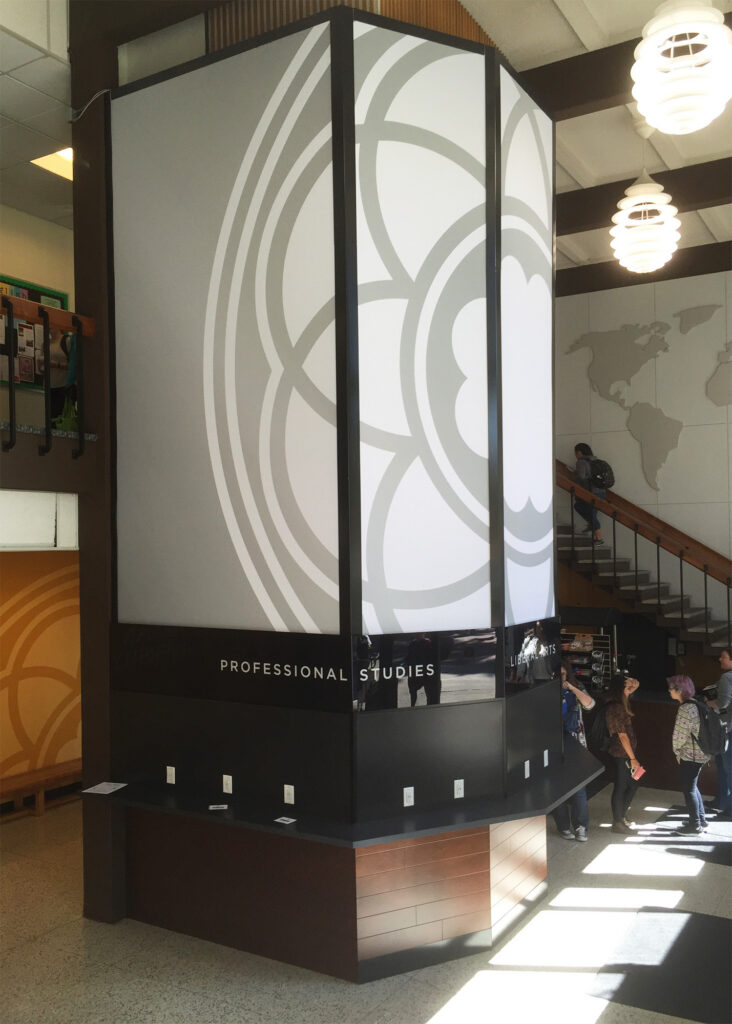
In institutional EGD, no project exists in isolation. Every new piece has to sit alongside everything else on a campus that’s been evolving for decades.
Sung describes the reality perfectly: “It’s like trying to create custom solutions that fit a giant jigsaw puzzle, but twelve pieces in the jigsaw puzzle are still burned and scorched.”
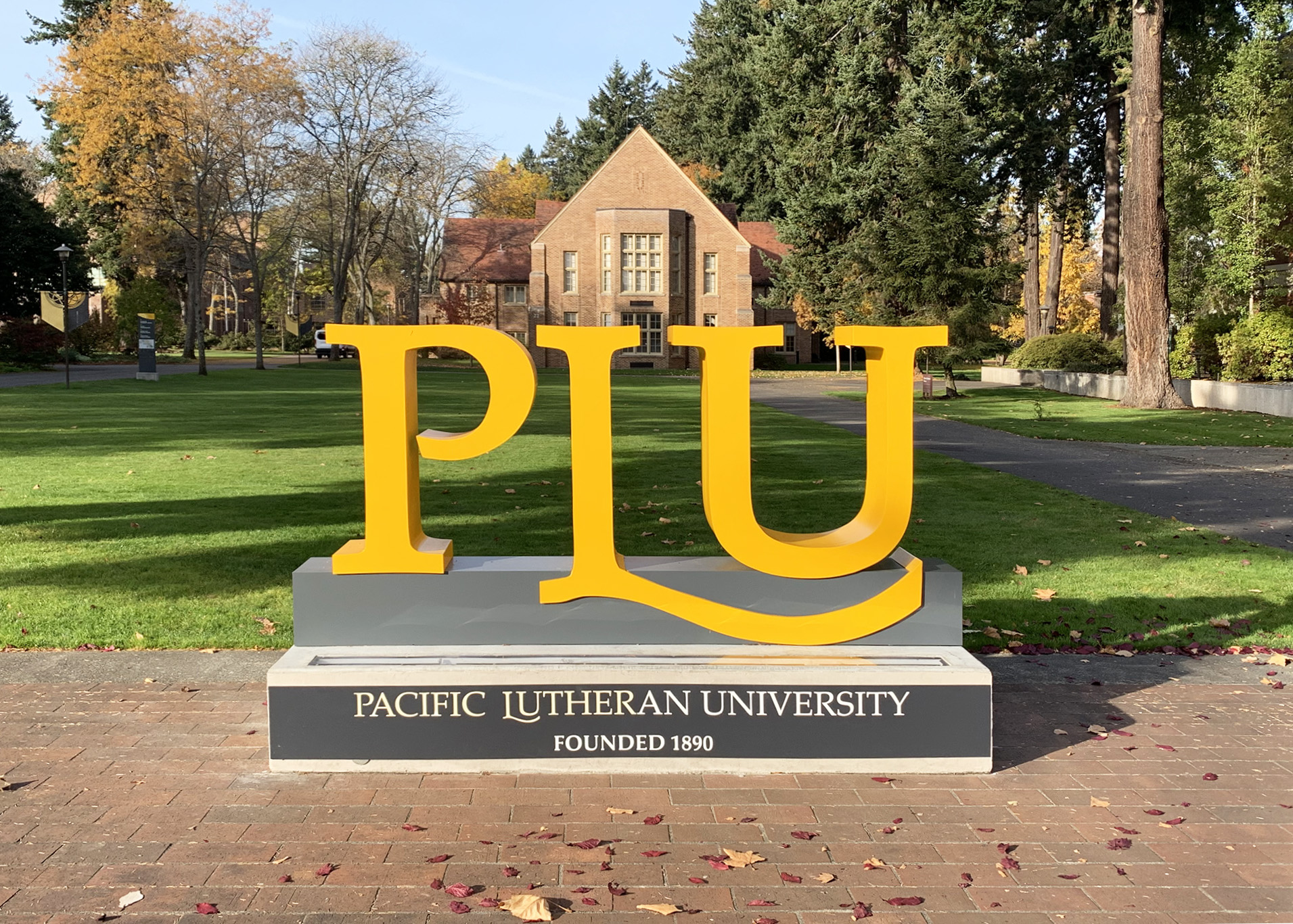
He shares the story of PLU’s recently redesigned parking signs — a project he’s proud of, and one SuperGraphics helped bring to life. At a campus brand presentation, a dean stopped to compliment them. Beautiful, she said.
Then, in the next breath: When are you going to fix the building signs?
“It’s like plastic surgery,” he says, laughing. “I fixed one cheek and now this side of the face looks horrendous.”
Every EGD professional managing institutional environments has felt this. You’re designing inside an ecosystem built across different eras, different budgets, and different leadership priorities. And the instinct — especially for designers — is to want to fix everything at once. To make it perfect. To control the outcome.
Sung’s approach is the opposite. Perfection isn’t the goal. Thoughtful, incremental progress is — even when every improvement highlights what you haven’t been able to touch yet.
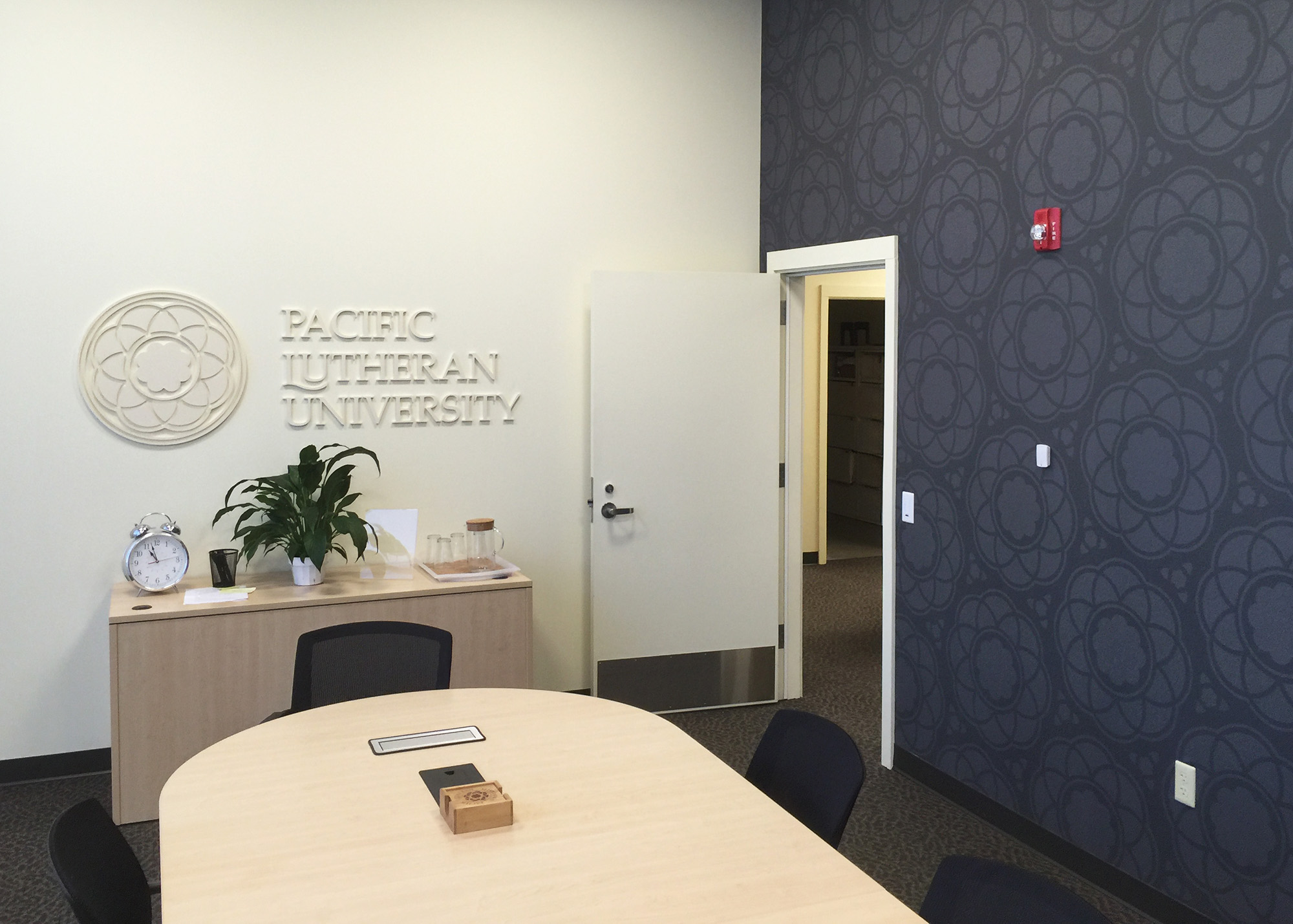
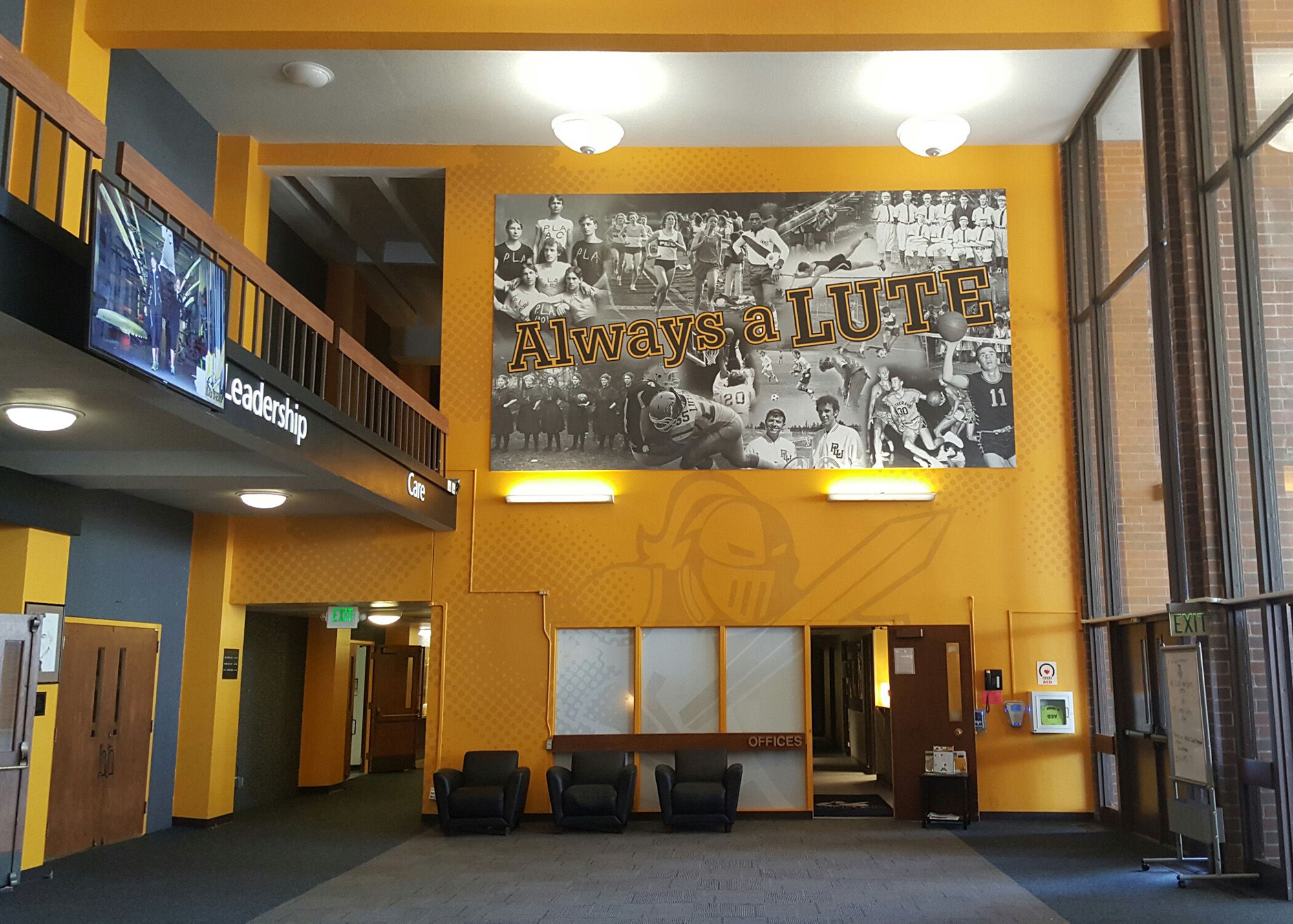
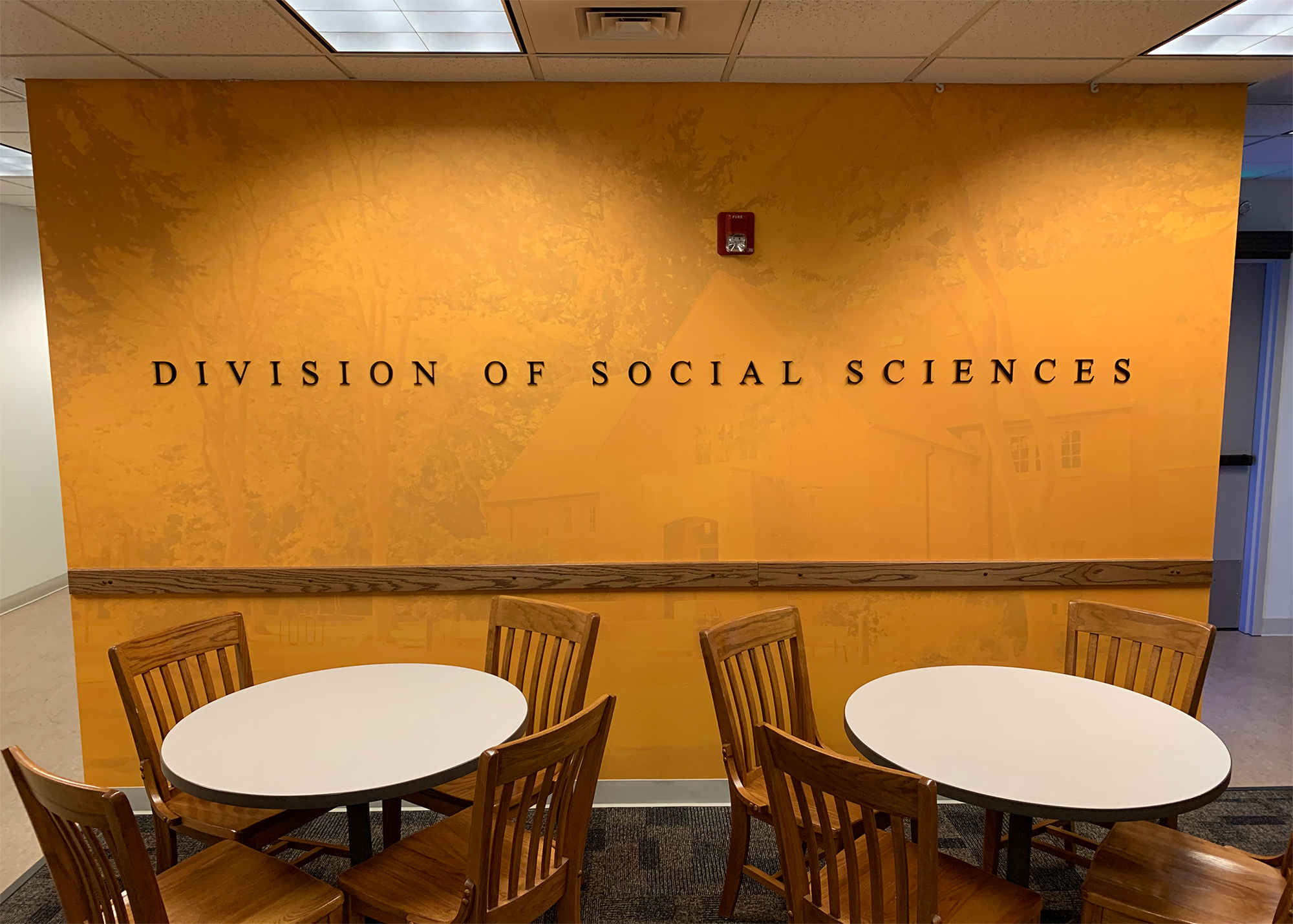
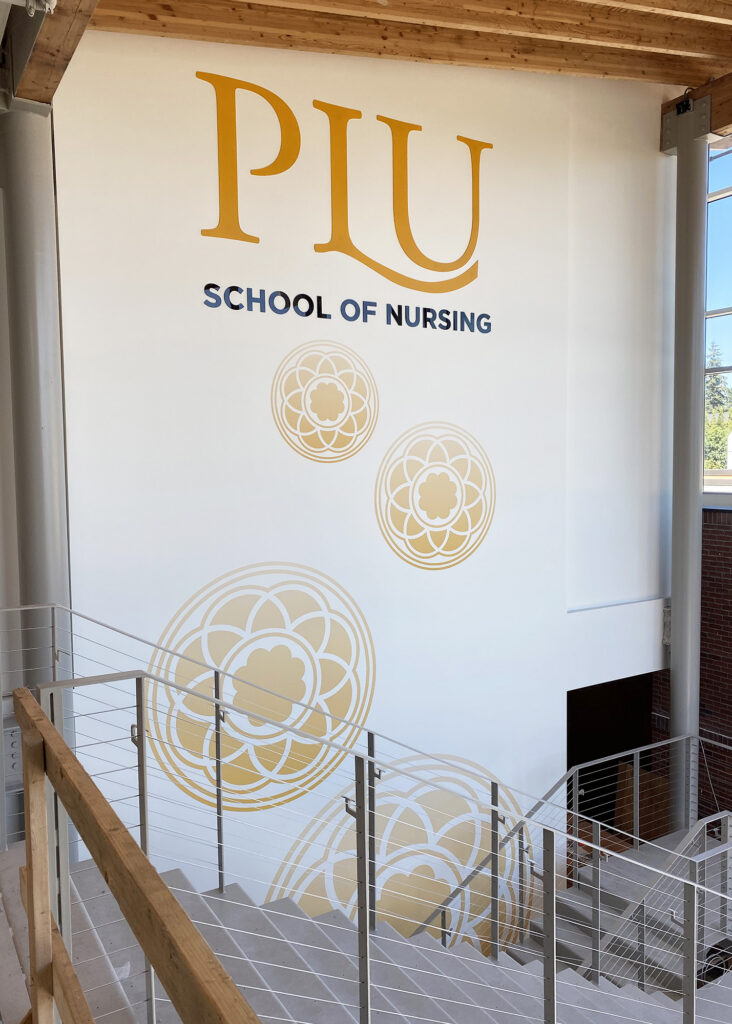
That extends to the details most people never notice. PLU’s brand colors are black and a bright, bold yellow — striking on a poster, but a real challenge in interior spaces. Sung’s team has learned to work with materiality — hardwoods, texture, intentional finishes — to create environments that feel welcoming without abandoning the brand. It’s the difference between a space that looks right and one that feels right.
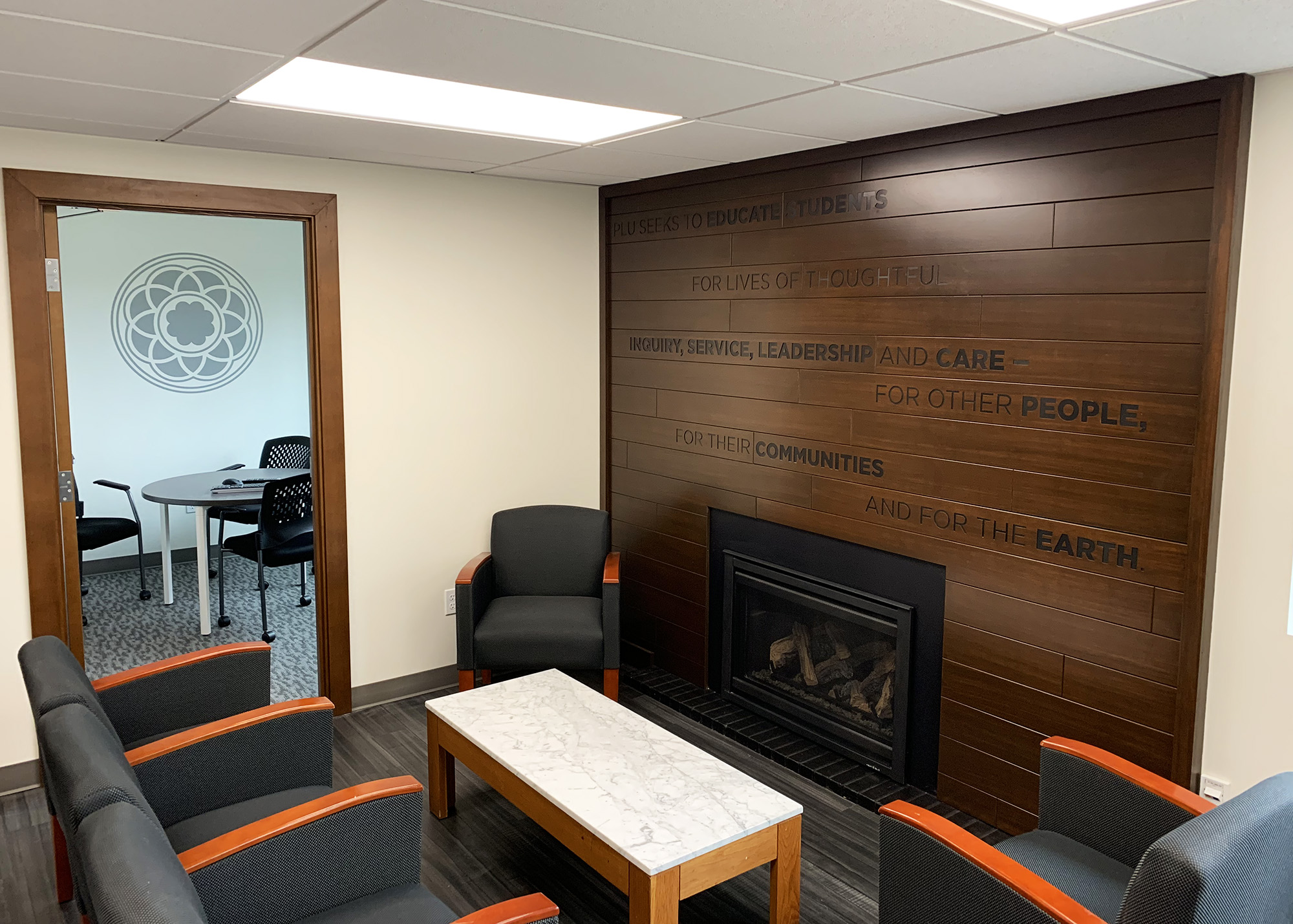
It’s a kind of patience that doesn’t come naturally to most creative teams. But it’s essential for anyone doing EGD work inside institutions — because the puzzle is never going to be finished. The question is whether you’re making it better, one piece at a time.
Simon Sung’s career is a reminder that the best creative leaders in EGD aren’t the ones with the safest playbooks or the most predictable paths.
They’re the ones who play.
The best work in this field is built on experimentation — because teams that invest in new capabilities before the brief arrives are the ones ready when the moment demands it.
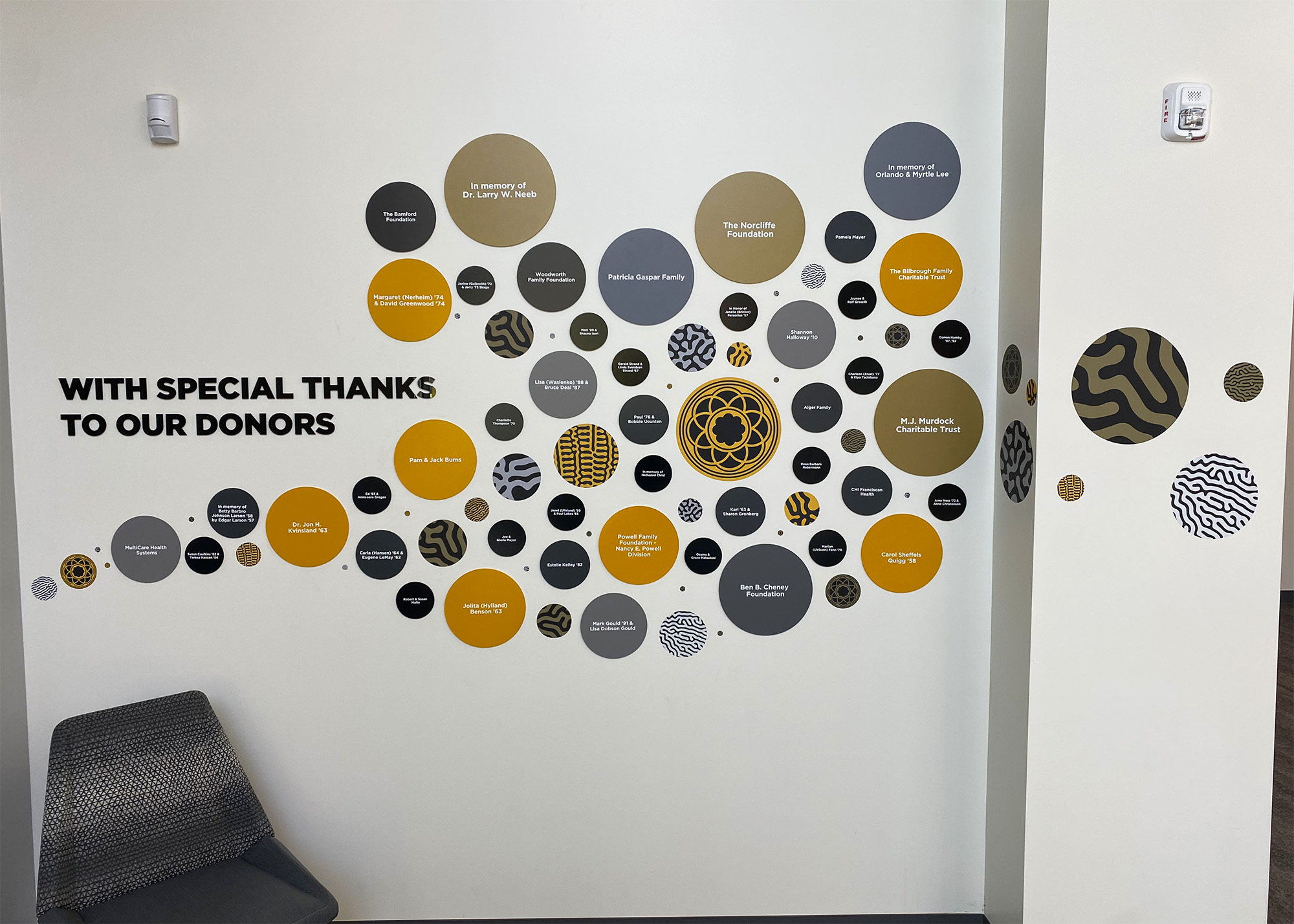
It’s built on partnership — because the best environmental solutions don’t start with the brand. They start with the people.
It’s built on resilience — because institutional environments are jigsaw puzzles, and the real craft is making progress even when half the pieces are still catching up.
And it’s built on discomfort — because the moment you stop being challenged is the moment the work starts getting safe.
Whether you’re leading EGD for a campus, a corporate headquarters, or a healthcare system, the question Sung’s story leaves you with is worth sitting with: When was the last time your work made you uncomfortable?
And if the answer is “not recently” — maybe it’s time to build your own sandbox.