BIG NEWS: Imagine Visual Service has joined the SuperGraphics family. Together, we’re bringing expanded expertise, nationwide execution, and the same trusted teams under one brand. READ MORE

Floor Graphics are here to stay

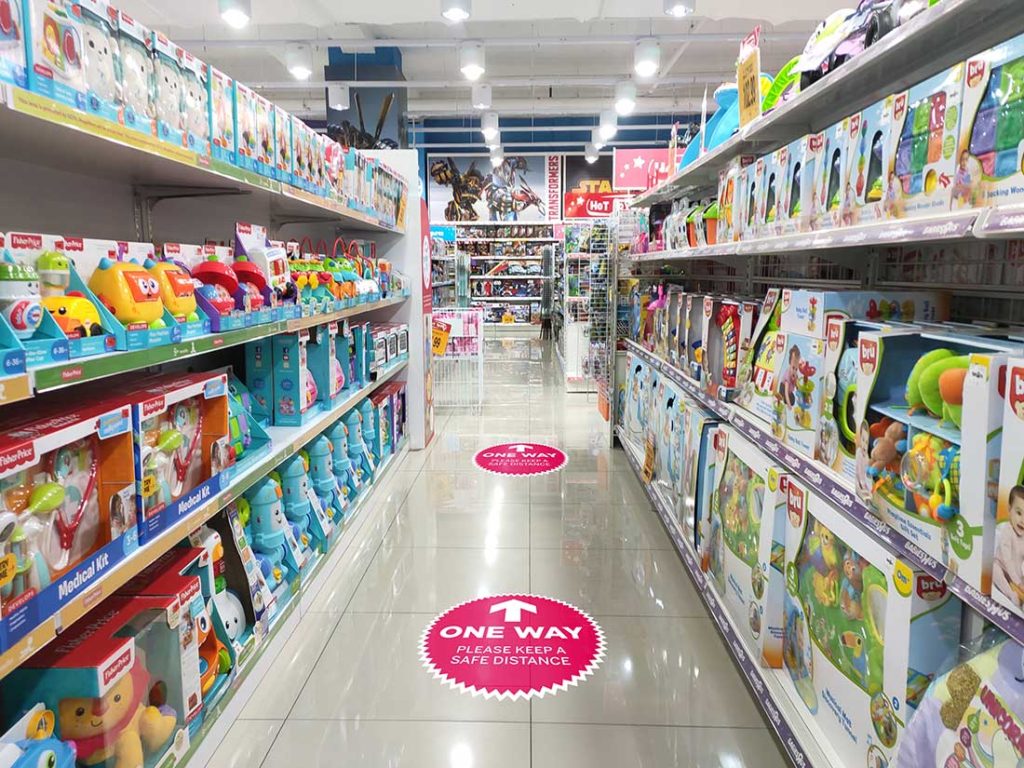
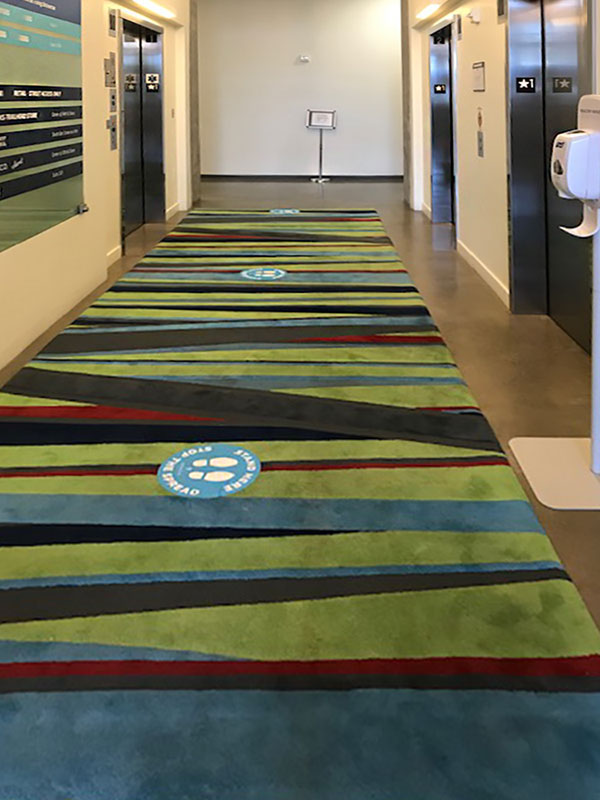
No single graphic has been more instrumental in promoting social distancing and directing people during the Covid-19 pandemic than Floor Graphics. And it appears that Floor Graphics will remain a semi-permanent fixture in all public spaces, including retail, offices, elevators, warehouses, schools, and other places where people meet.


Determining how to utilize Floor Graphics is an essential part of re-opening your business for customers and employees. Important questions to ask while determining the use of floor graphics are:

  • What type of surface or material will receive graphics? Vinyl, tile, wood, concrete, carpet, or other?
  • How long do the Floor Graphics need to be in place? Will they change regularly?
  • What purpose are you using for the graphics – social distancing, directional, communication, etc.?
  • What type of chemicals or tools are used during cleaning?
    Can the expense be shared with a partner business or brand?

These are all questions that your SuperGraphics representative can help answer.

SuperGraphics is your expert in providing solutions for hardwoods, tile, cement, linoleum, carpet, concrete, and sidewalks. We have a multitude of solutions available from temporary to permanent. All are UL listed to provide a safe standing and walking surface.

Share this story

latest

from our blog
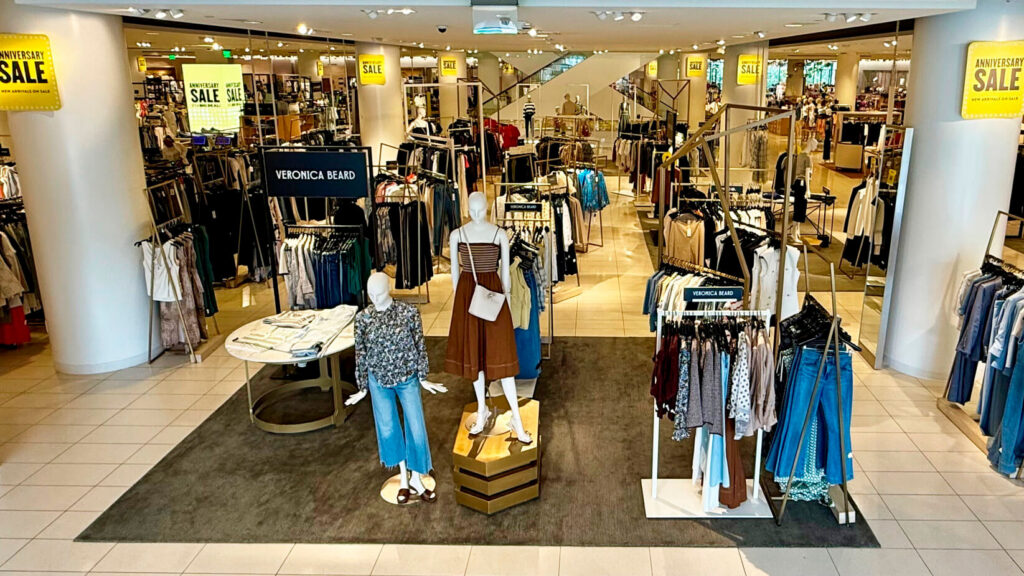
Nordstrom store interior during Anniversary Sale showing visual merchandising displays, styled mannequins, and yellow sale signage printed on sustainable substrates throughout the department.
In visual merchandising, every campaign ends up somewhere — and for most of retail, that somewhere is a landfill. Nordstrom graphic designer Max Kunz breaks down what sustainability actually looks like from the inside: the material trade-offs, the cultural shifts, and the process changes that make the biggest difference.
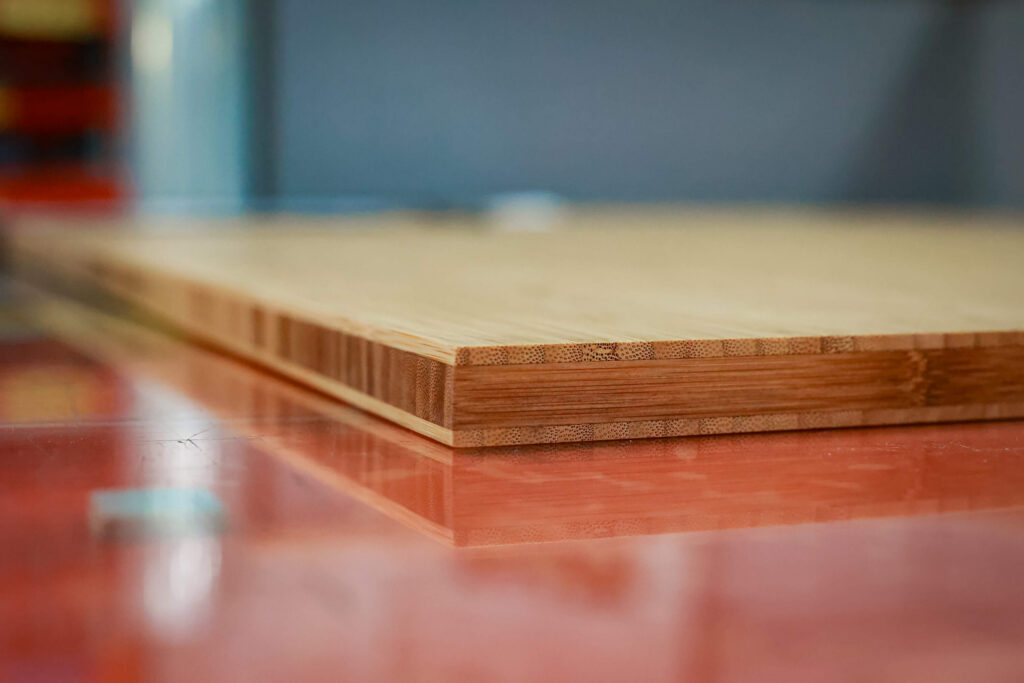
Close-up of a laminated bamboo panel on a red work surface
Peter Muller at Gensler asked a question nobody in EGD was asking: what's the carbon footprint of our signage? The answer — and the tool he built because of it — is something every EGD professional should know about.
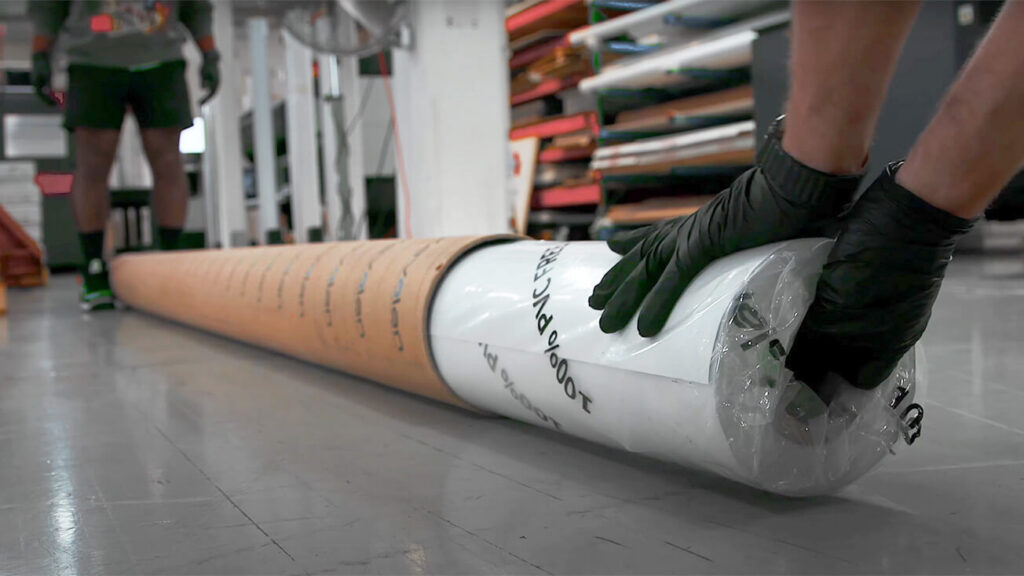
A production team member wearing black gloves handles a roll of sustainable banner material on the shop floor.
Sustainability programs don't fail because of bad science. They fail because nobody can explain them in the language of business. Sean Carr, Director of Sustainability for the Americas at HH Global, breaks down where your carbon impact actually comes from — and why the biggest win might be simpler than you think.