Fleet wraps are a critical piece of a much bigger machine. When done right, they keep your brand visible and your vehicles on the move.
When they fail, the impact is immediate — missed deliveries, frustrated teams, and vehicles parked instead of performing.
With experience managing nationwide fleet rollouts for iconic brands like Darigold and Salvation Army, we know the common pitfalls that derail projects. Here’s how to avoid the missteps that lead to costly re-dos.
The Top Three Reasons Fleet Wraps Fail
1. Skip the Upfront Discovery, Pay the Price
Most wrap failures start before a single panel is printed. When graphics vendors make assumptions instead of asking the right questions, critical details get missed — and those misses turn into reprints, delays, and poorly fitting graphics.
Imagine receiving a shipment of new trucks only to find the door handles block your logo, or the wrap template doesn’t match the latest model year. These mistakes don’t just hurt your brand image — they can stall an entire rollout.
The Fix: Start with a thorough discovery process before production begins. That means gathering the right vehicle details, confirming specs, and using model-specific templates to prevent fit issues.
At SuperGraphics, our team handles this critical first step, ensuring every project begins with accurate information and a clear plan — preventing costly surprises before they happen.
2. Cut Corners Today, Rewrap Tomorrow
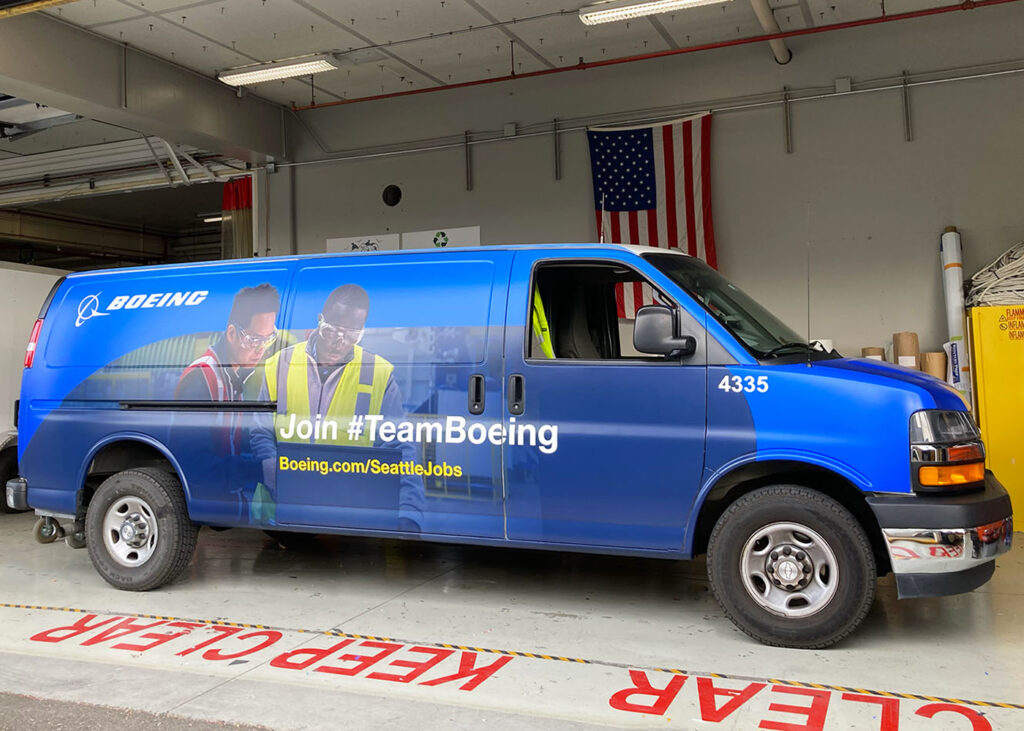
Fleet rollouts need to move quickly — but rushing without the right process leads to costly mistakes down the road. When steps are skipped or corners are cut, the result is peeling graphics, failed installs, and unexpected downtime.
It’s not just about how fast a wrap is printed — it’s about how well the entire project is managed. Without clear scheduling and crew coordination, vehicles end up waiting instead of working.
The Fix: Plan for both speed and quality. Ensure your vendor uses experienced crews, schedule installs carefully, and keep vehicles moving without long shop delays or bottlenecks.
SuperGraphics builds efficiency into every step — from scheduling to craftsmanship — so rollouts move quickly while maintaining flawless, lasting results.
3. Disorganized Installs Leave Vehicles Idle
Even flawless design and production can fail if installation falls apart. Crews arriving without site access, unprepared vehicles, or overlapping schedules can bring an entire rollout to a standstill.
These last-mile details are where many vendors drop the ball — leaving you scrambling to fix problems while deadlines disappear.
The Fix: Treat installation like a managed process, not an afterthought. Clear schedules, secure site access, and real-time coordination are critical to keeping rollouts on track.
SuperGraphics oversees every detail across locations nationwide, ensuring crews, access, and timing all align for smooth, predictable installs.
Fleet Rollouts Don’t Have to Be Chaotic
A well-executed fleet rollout isn’t just about great-looking graphics — it’s about vehicles that stay in motion and operations that run smoothly.
The difference often comes down to your graphics partner. With the right vendor managing every step, potential problems are caught early and solved before they cause delays. What could be a complex, stressful process becomes predictable, organized, and on schedule.
Keep Your Fleet on the Road, Not in the Shop
Vehicles are only valuable when they’re in motion. With over 30 years of experience, our start-to-finish fleet program keeps installs efficient and predictable, with every step managed by our experienced team.