BIG NEWS: Imagine Visual Service has joined the SuperGraphics family. Together, we’re bringing expanded expertise, nationwide execution, and the same trusted teams under one brand. READ MORE

Covid-19 Statement

We appreciate your business

SuperGraphics is proud to be a member of the Seattle Business Community and Northwest Community at large. As a locally-owned print provider, we appreciate your support and empathize as we all struggle to figure out this evolving health crisis.

We live by our culture of C3, which stands for Customer, Co-worker, Community. We hope that the decisions and measures that we are taking in this challenging time reflect this commitment.

We are taking measures to monitor best practices from the Public Health Department and are strictly adhering by the method of frequent hand-washing, social distancing, and encouraging if not requiring employees to remain at home if they are not feeling well.


SuperGraphics is open for business, and we have taken the following steps to protect our co-workers and the community:

  1. SuperGraphics is not open to visitors or tours at this time.
  2. Employees that can work from home are encouraged to do so.
  3. Third-party meetings are held for critical topics only, and if necessary, are not held at SuperGraphics.

If you have an upcoming project, please contact your representative as usual, or you can contact us via email at solutions@supergraphics.com or call us at 206-284-2201.

Thanks again for your continued support. We’ll post additional information as it becomes available should anything change.
Share this story

latest

from our blog
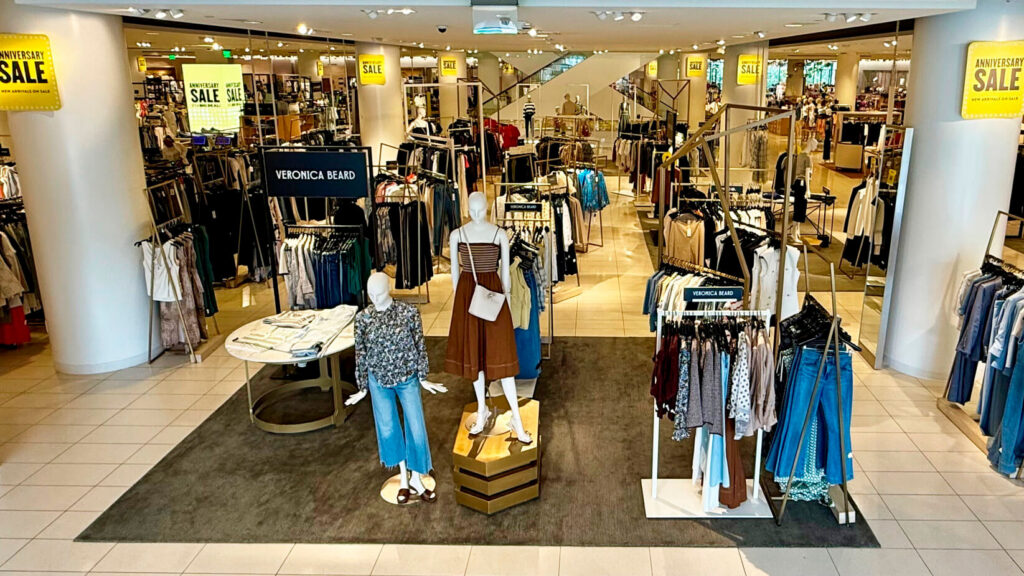
Nordstrom store interior during Anniversary Sale showing visual merchandising displays, styled mannequins, and yellow sale signage printed on sustainable substrates throughout the department.
In visual merchandising, every campaign ends up somewhere — and for most of retail, that somewhere is a landfill. Nordstrom graphic designer Max Kunz breaks down what sustainability actually looks like from the inside: the material trade-offs, the cultural shifts, and the process changes that make the biggest difference.
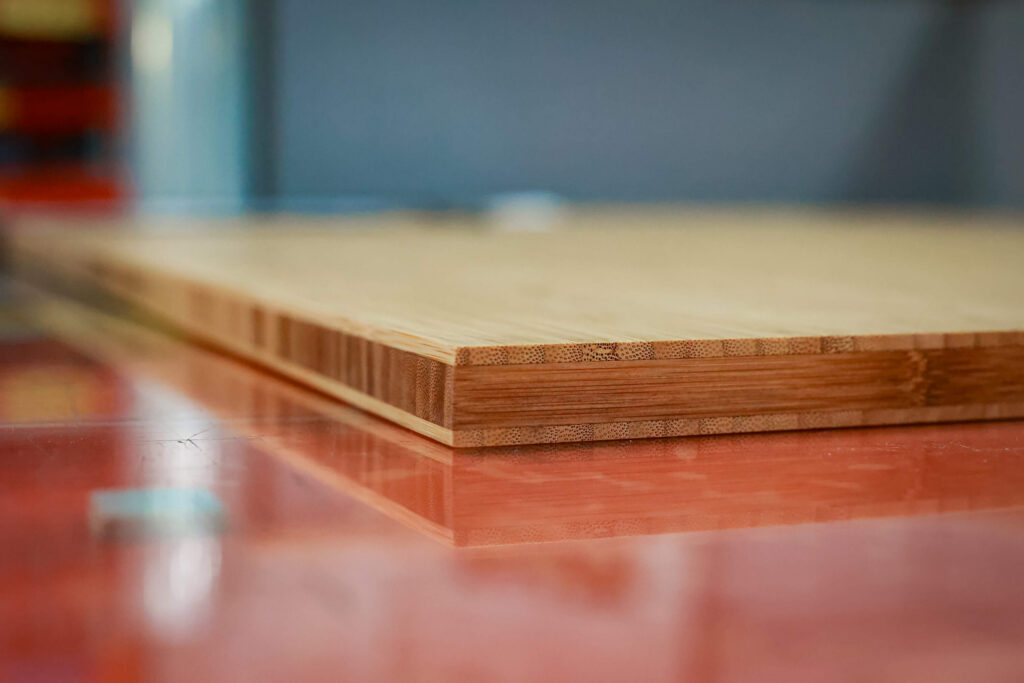
Close-up of a laminated bamboo panel on a red work surface
Peter Muller at Gensler asked a question nobody in EGD was asking: what's the carbon footprint of our signage? The answer — and the tool he built because of it — is something every EGD professional should know about.
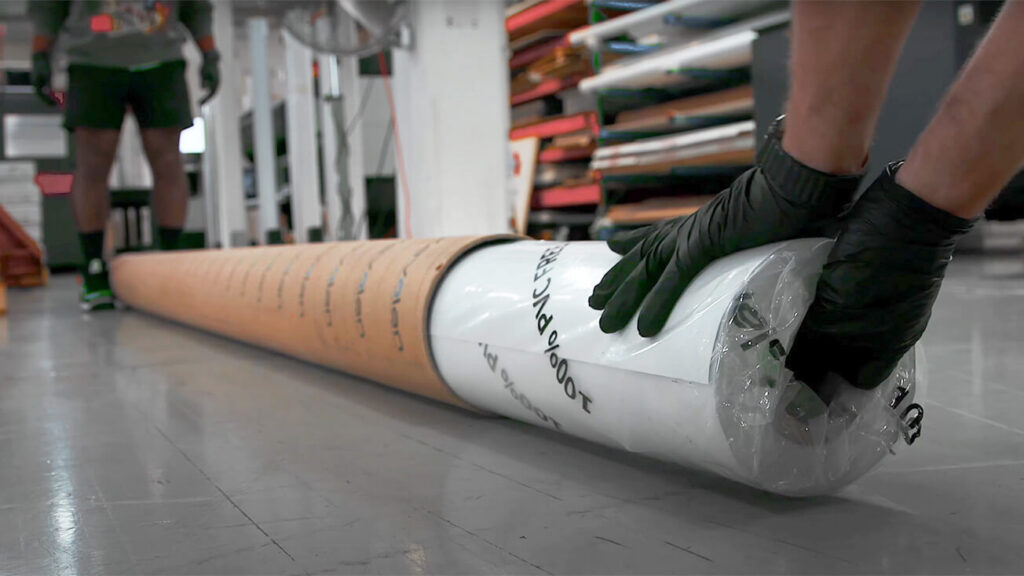
A production team member wearing black gloves handles a roll of sustainable banner material on the shop floor.
Sustainability programs don't fail because of bad science. They fail because nobody can explain them in the language of business. Sean Carr, Director of Sustainability for the Americas at HH Global, breaks down where your carbon impact actually comes from — and why the biggest win might be simpler than you think.